The Muhammad Ali Center: Architecture, Artifacts & The Six Core Principles on Museum Row
The Muhammad Ali Center: Architecture, Artifacts & The Six Core Principles on Museum Row
Overlooking the roaring waters of the Ohio River at 144 N. 6th Street in downtown Louisville, The Muhammad Ali Center is not merely a sports museum—it is a 96,750-square-foot architectural monument to human possibility, civil rights courage, and peace. Built around Ali’s Six Core Principles, the Center stands as the centerpiece of Louisville’s Museum Row.
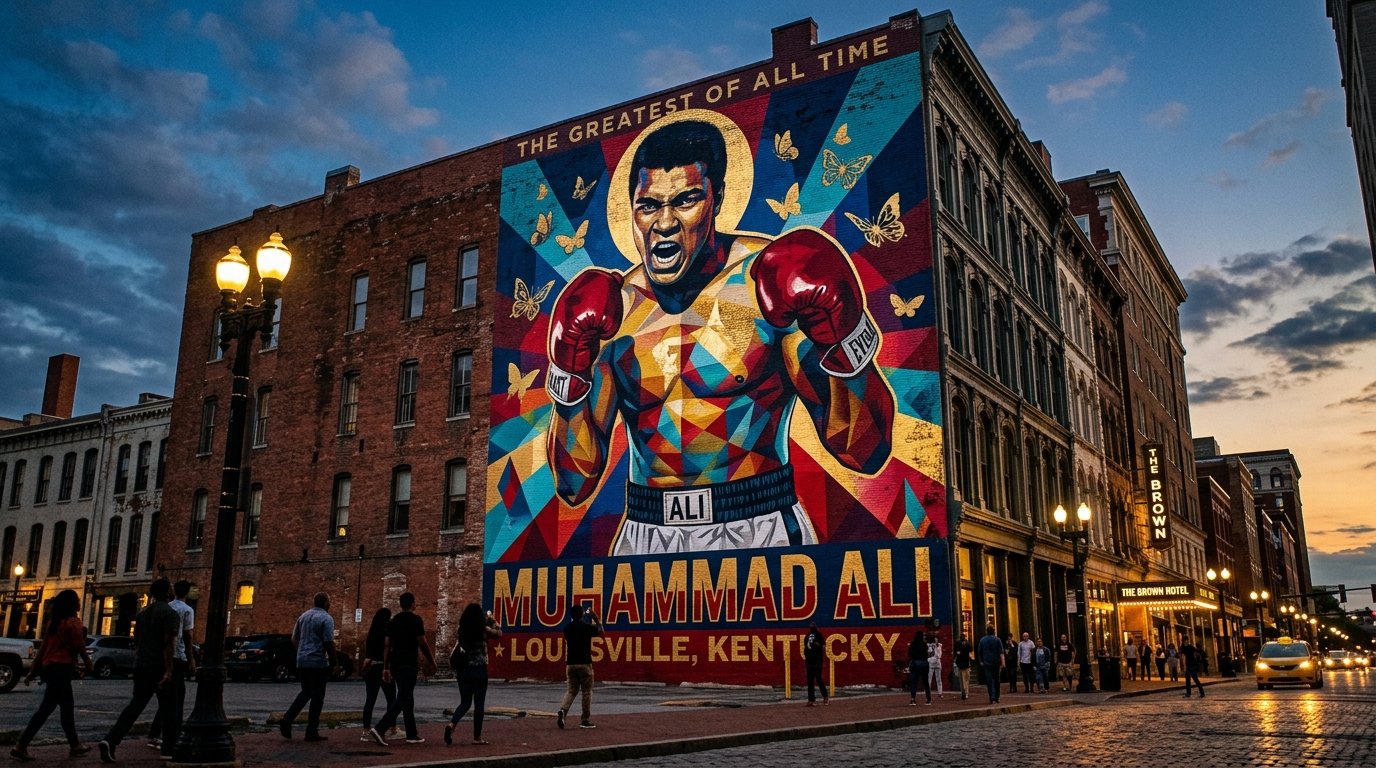
Explore the Complete Louisville Muhammad Ali Pillar Series
- • Master Guide: Hometown Legacy & Pilgrimage
- • Ch. 1: The Stolen Schwinn & Columbia Gym
- • Ch. 2: 3302 Grand Ave & Central High
- • Ch. 3: The 11 Bourbon Executives Syndicate
- • Ch. 4: The Ali Center & Six Core Principles CURRENT
- • Ch. 5: Cave Hill Cemetery Memorial
1. Conception & Architectural Symbolism
Opened on November 19, 2005, the $80-million Center was conceived by Muhammad and his wife Lonnie Ali as an educational sanctuary dedicated to social change. Designed by architect Beyer Blinder Belle in collaboration with modernists, the exterior facade features vibrant ceramic frit tiles displaying iconic imagery of Ali that dynamically shifts as natural daylight sweeps across downtown Louisville.
The building’s orientation deliberately embraces the Ohio River, symbolizing the global reach of an African American youth from Kentucky who journeyed across oceans as a United Nations Messenger of Peace.
2. The Six Core Principles of Muhammad Ali
The permanent exhibition is organized into six immersive galleries, each grounded in one of Ali’s lifelong spiritual and philosophical tenets:
1 Confidence
Belief in oneself, one’s purpose, and one’s inner abilities regardless of prevailing social opposition or athletic skepticism.
2 Conviction
The moral determination to stand behind one’s beliefs and endure sacrifice—exemplified by Ali’s refusal to participate in the Vietnam draft on religious grounds.
3 Dedication
The discipline to train when nobody is watching. As Ali famous stated: “I hated every minute of training, but I said, ‘Don’t quit. Suffer now and live the rest of your life as a champion.'”
4 Giving
Unconditional service to humanity. Ali viewed philanthropy not as charity, but as an essential spiritual rent owed for living on earth.
5 Respect
Recognizing the sacred dignity of all humans regardless of race, faith, nationality, or economic station.
6 Spirituality
Cultivating an inner spiritual core grounded in prayer, surrender, and gratitude to the Divine.
3. Practical Visiting Guide for Museum Row
Address: 144 N. 6th Street, Louisville, KY 40202
Operating Hours: Wednesday through Sunday, 10:00 AM – 5:00 PM (Closed Mondays & Tuesdays)
Must-See Highlights: The 1996 Atlanta Olympic Torch, the full-size interactive boxing ring where visitors shadowbox with digitized Dundee audio prompts, and the moving Orientation Film “Long Walk to Freedom.”
The Central Kentucky Abolitionist Connection
While Louisville was Ali’s hometown and lifelong sanctuary, his birth name and fierce fighting spirit trace directly to Central Kentucky. Cassius Marcellus Clay Jr. was named after his father, who was named in tribute to the radical 19th-century abolitionist General Cassius Marcellus Clay of Whitehall and Lexington—who defended his anti-slavery newspaper The True American with brass cannons against pro-slavery mobs.
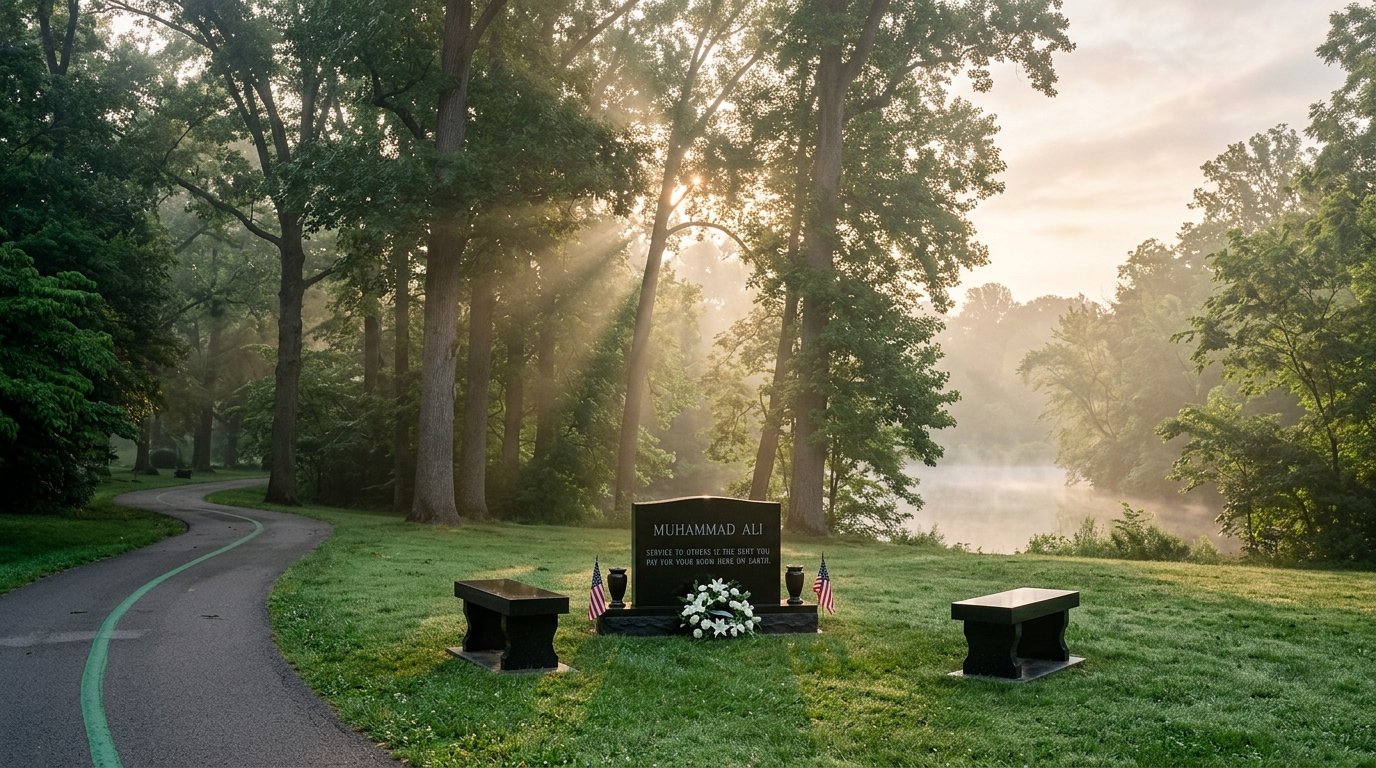
The Final Homecoming: Visiting Muhammad Ali’s Memorial at Cave Hill Cemetery
Section 9, Lot 33 along the painted green line: Islamic orientation, the headstone inscription, and the 2016 funeral procession.
The Louisville Muhammad Ali Knowledge Vault
Explore all six interconnected chapters in our definitive topical authority series honoring Derby City’s greatest champion:
The definitive overarching guide to Muhammad Ali’s birthplace, West End landmarks, and complete Louisville pilgrimage trail.
The October 1954 Home Show bicycle theft, the basement gym crucible, and the police officer who handed Cassius his first boxing gloves.
Porch shadowboxing, heavy combat boot roadwork through segregated Chickasaw Park, and Principal Wilson’s prophecy at Central High.
How 11 prominent Louisville whiskey executives protected Cassius from mob promoters, established a 15% trust, and hired Angelo Dundee.
Inside the 96,750-sq-ft cultural monument on the Ohio River, the 1996 Olympic Torch, and the Six Principles for social justice.
Section 9, Lot 33 along the painted green line: Islamic orientation, the headstone inscription, and the 2016 funeral procession.
Continue Exploring Derby City
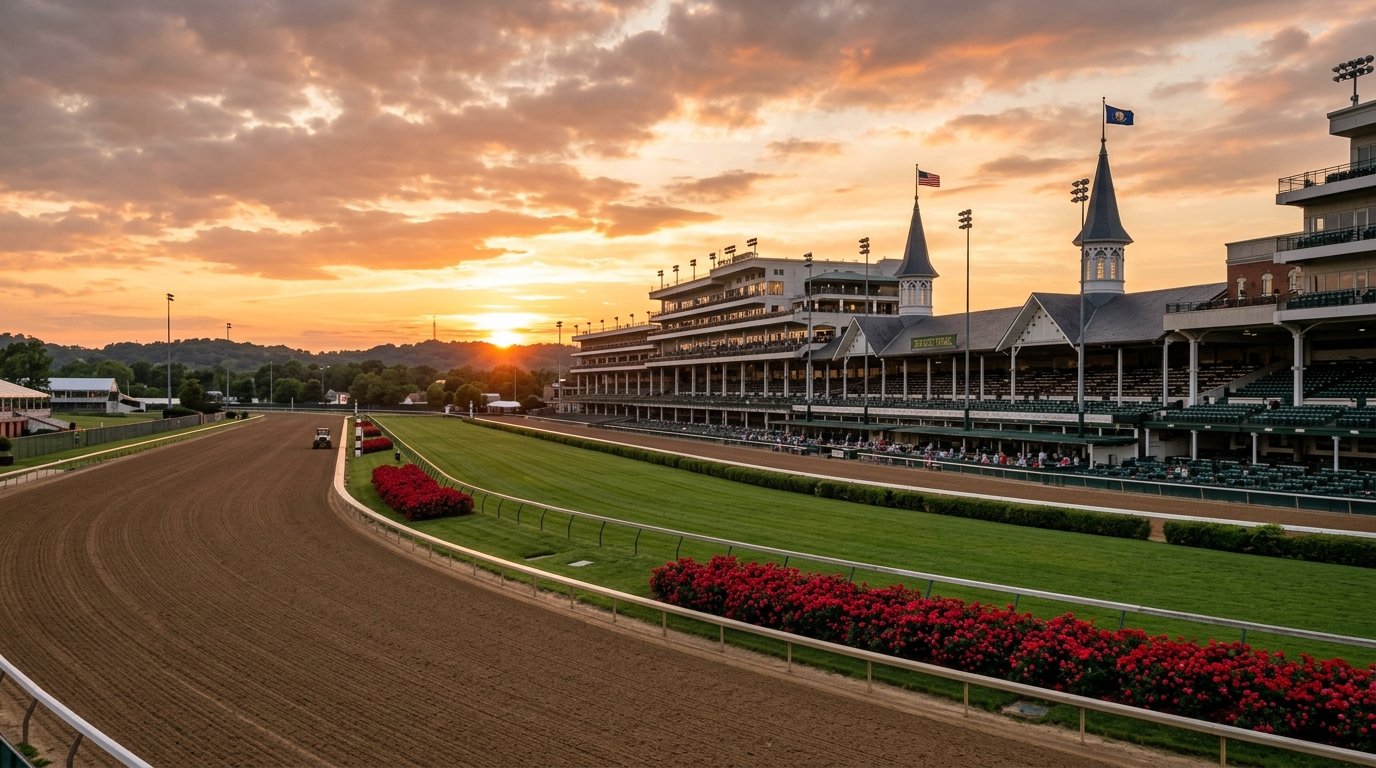
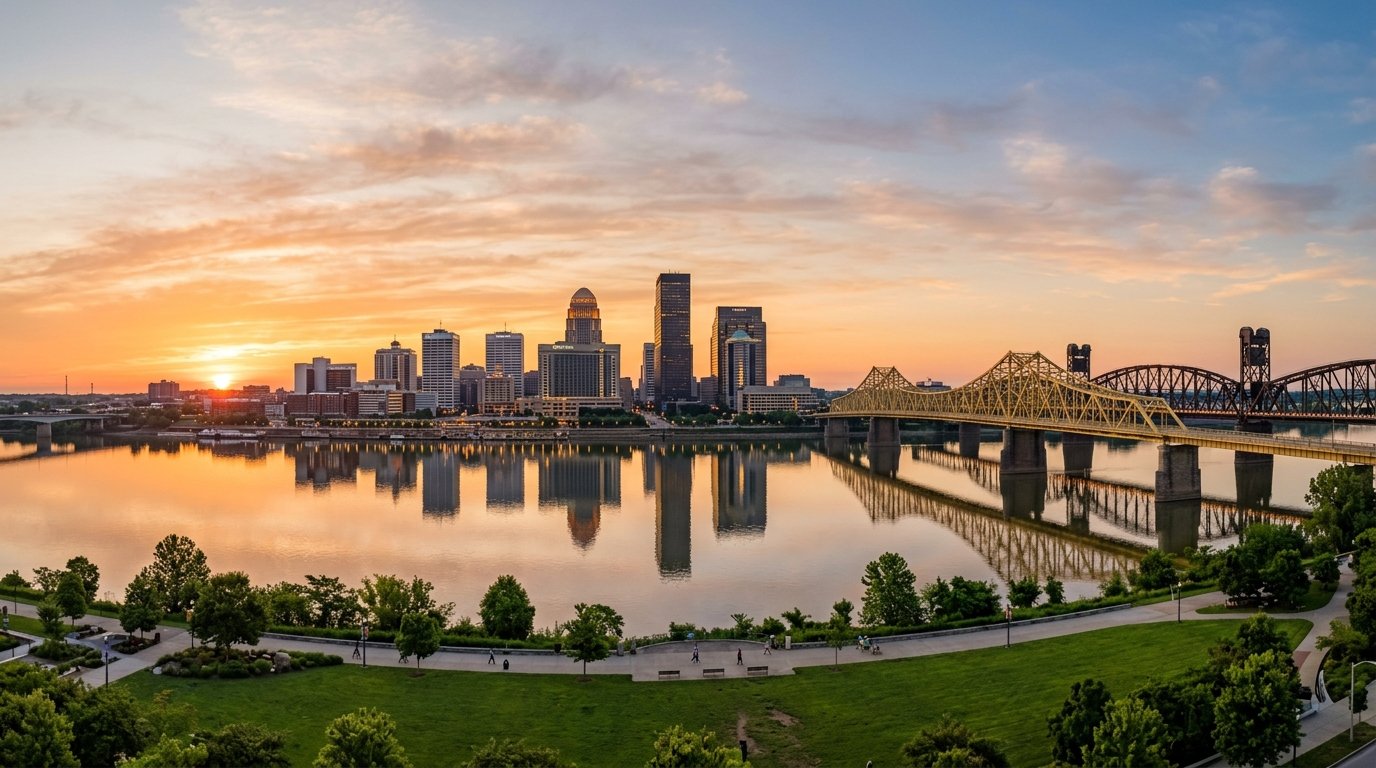
Extend your journey with our definitive guides to Louisville’s world-famous heritage institutions, sporting cathedrals, and culinary landmarks:

Download The 2026 Louisville Heritage Field Guide & Interactive Route Map
Planning your cultural pilgrimage? Receive our curated PDF Field Guide featuring turnkey turn-by-turn GPS coordinates for all 6 Muhammad Ali landmarks, VIP parking secrets, Churchill Downs access tips, and Museum Row dining recommendations.