West End Boyhood: 3302 Grand Avenue & Central High School in Jim Crow Louisville
West End Boyhood: 3302 Grand Avenue & Central High School in Jim Crow Louisville
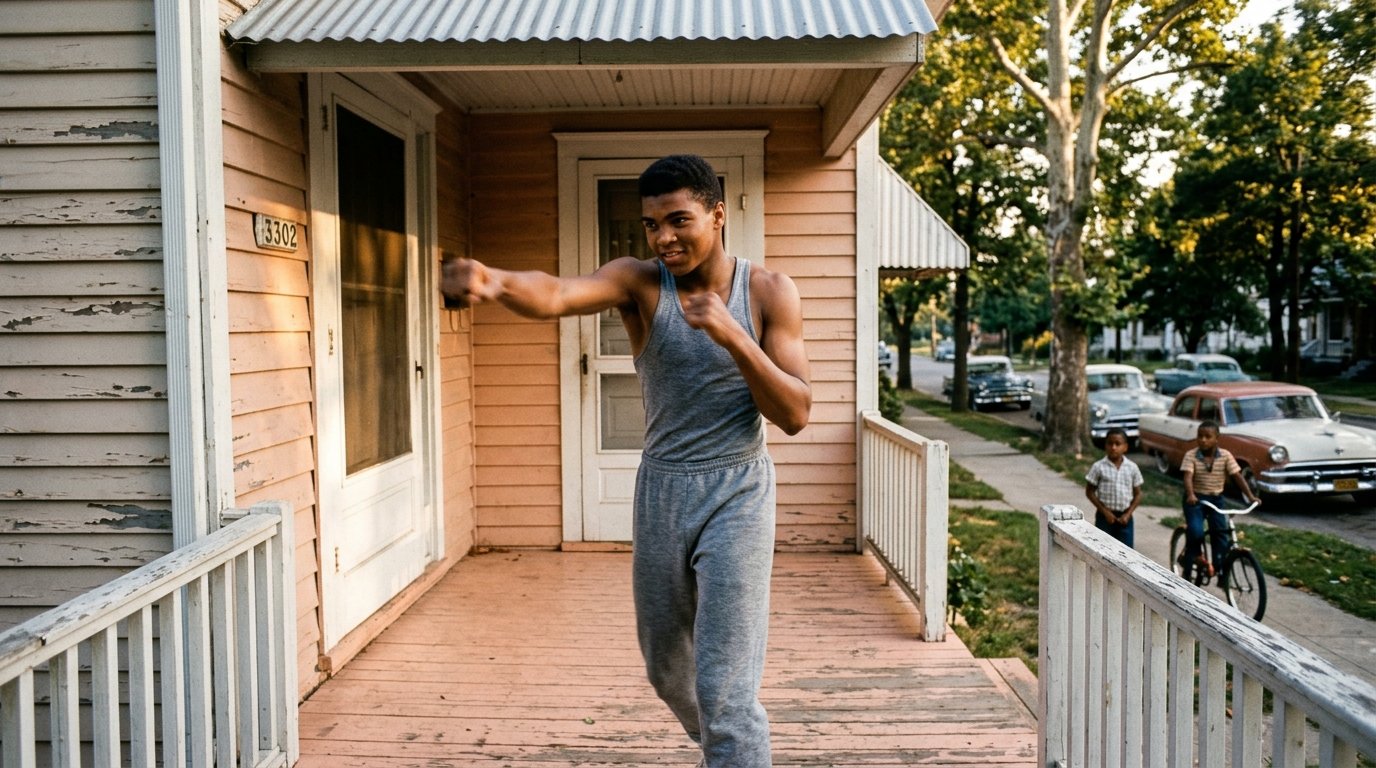
Long before the world chanted his name in Kinshasa and Manila, Muhammad Ali’s universe was bounded by the streets of West Louisville. Growing up in the working-class Parkland neighborhood at 3302 Grand Avenue and attending the segregated Central High School on Chestnut Street, young Cassius Clay learned to navigate the painful realities of Jim Crow Kentucky—transforming racial adversity into fuel for immortality.
Explore the Complete Louisville Muhammad Ali Pillar Series
- • Master Guide: Hometown Legacy & Pilgrimage
- • Ch. 1: The Stolen Schwinn & Columbia Gym
- • Ch. 2: 3302 Grand Ave & Central High CURRENT
- • Ch. 3: The 11 Bourbon Executives Syndicate
- • Ch. 4: The Ali Center & Six Core Principles
- • Ch. 5: Cave Hill Cemetery Memorial
1. Inside 3302 Grand Avenue: The Cottage in Parkland
Purchased in 1947 by Cassius Marcellus Clay Sr. and Odessa Grady Clay for $4,500, the four-room, wood-sided bungalow at 3302 Grand Avenue was a hive of artistic and physical energy. Cassius Sr. was a master sign painter, letterer, and muralist who painted theatrical billboards across Louisville and decorated local Baptist churches. The family living room was filled with hand-painted religious art, musical instruments, and the sound of jazz records.
Cassius and his younger brother Rudolph (later Rahman Ali) shared a small bedroom. While other neighborhood boys spent their allowances on soda and comics, Cassius convinced his brother to throw river stones at him in the backyard. Dodging stones against the wooden fence taught young Cassius the superhuman head evasion that later bewildered Sonny Liston and George Foreman.
2. Heavy Boots Roadwork: Chickasaw & Shawnee Parks
In the 1950s, Louisville’s public parks remained strictly segregated under local municipal codes. Chickasaw Park, nestled along the Ohio River, was the only park in the entire city open to African American residents.
Every morning at 5:00 AM, before his high school peers awoke, Cassius laced up a pair of heavy military combat boots rather than sneakers. He ran five miles through Chickasaw Park and along Southwestern Parkway, timing his strides against the Louisville city transit buses. When passengers looked out the windows on their morning commute, they saw the young athlete shadowboxing furiously at every red light.
3. Central High School & The Prophecy of Principal Wilson
Cassius attended Louisville’s historic all-Black Central High School at 1130 W. Chestnut Street, graduating in June 1960. While teachers frequently chastised him for shadowboxing in the hallways and neglecting textbook homework for boxing magazines, the school’s visionary principal, Atwood S. Wilson, recognized a once-in-a-generation talent.
Principal Atwood S. Wilson to the Faculty (May 1960)
When conservative faculty members argued against allowing Clay to graduate due to his marginal academic marks, Principal Wilson intervened firmly: “You let that boy graduate. One day, Cassius Clay will bring more honor, fame, and distinction to this high school than all of your honor-roll students put together.”
Within four months of receiving his diploma from Central High, Cassius was standing atop the Olympic podium in Rome with a gold medal draped around his neck.
4. Visiting The Muhammad Ali Childhood Home Museum
Today, 3302 Grand Avenue has been restored as an official museum, open to the public for guided tours. Painted in its authentic salmon-pink exterior, the home features period-accurate 1955 furniture, family portraits, Cassius Sr.’s original sign-painting brushes, and multimedia kiosks recounting the neighborhood traditions of Louisville’s historic West End.
The Central Kentucky Abolitionist Connection
While Louisville was Ali’s hometown and lifelong sanctuary, his birth name and fierce fighting spirit trace directly to Central Kentucky. Cassius Marcellus Clay Jr. was named after his father, who was named in tribute to the radical 19th-century abolitionist General Cassius Marcellus Clay of Whitehall and Lexington—who defended his anti-slavery newspaper The True American with brass cannons against pro-slavery mobs.
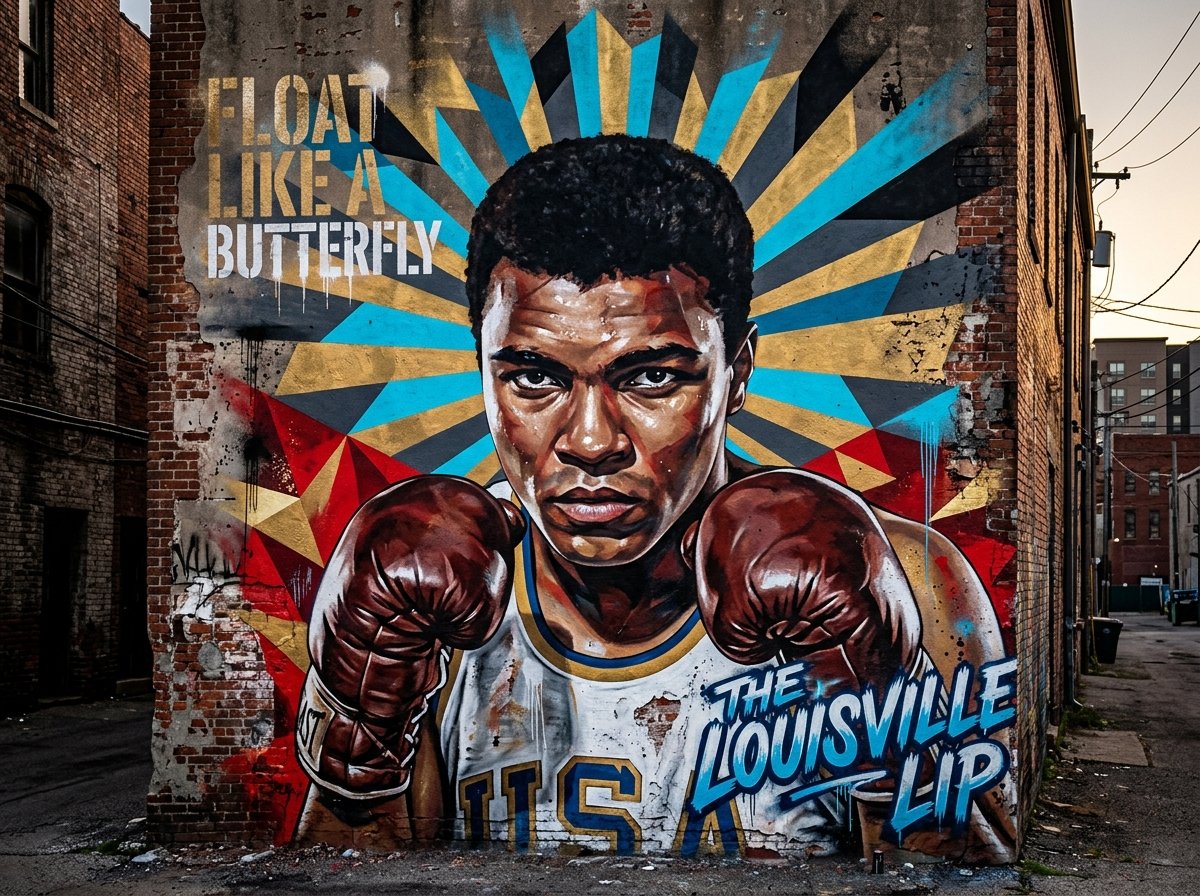
The Louisville Sponsoring Group: The 11 Bourbon Executives Who Backed Clay
How 11 prominent Louisville whiskey executives protected Cassius from mob promoters, established a 15% trust, and hired Angelo Dundee.
The Louisville Muhammad Ali Knowledge Vault
Explore all six interconnected chapters in our definitive topical authority series honoring Derby City’s greatest champion:
The definitive overarching guide to Muhammad Ali’s birthplace, West End landmarks, and complete Louisville pilgrimage trail.
The October 1954 Home Show bicycle theft, the basement gym crucible, and the police officer who handed Cassius his first boxing gloves.
Porch shadowboxing, heavy combat boot roadwork through segregated Chickasaw Park, and Principal Wilson’s prophecy at Central High.
How 11 prominent Louisville whiskey executives protected Cassius from mob promoters, established a 15% trust, and hired Angelo Dundee.
Inside the 96,750-sq-ft cultural monument on the Ohio River, the 1996 Olympic Torch, and the Six Principles for social justice.
Section 9, Lot 33 along the painted green line: Islamic orientation, the headstone inscription, and the 2016 funeral procession.
Continue Exploring Derby City
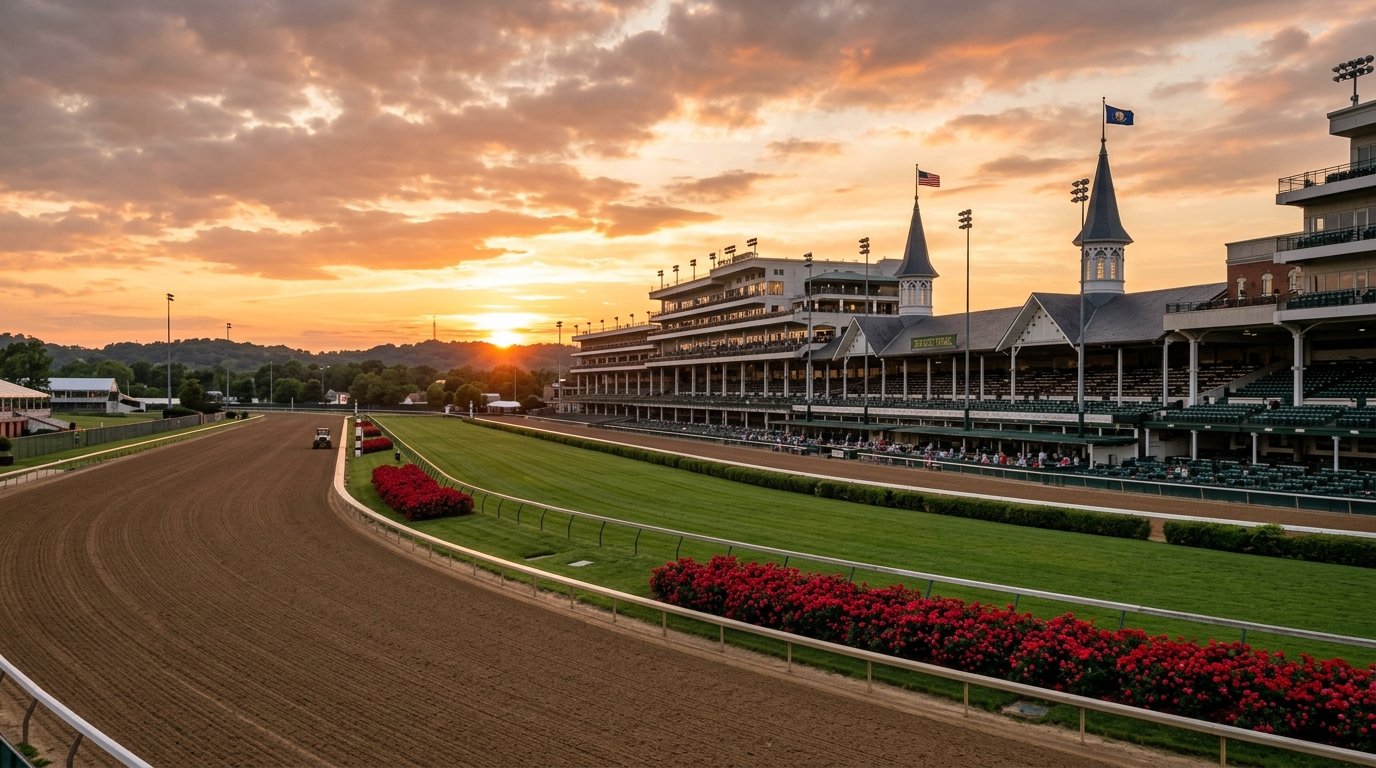
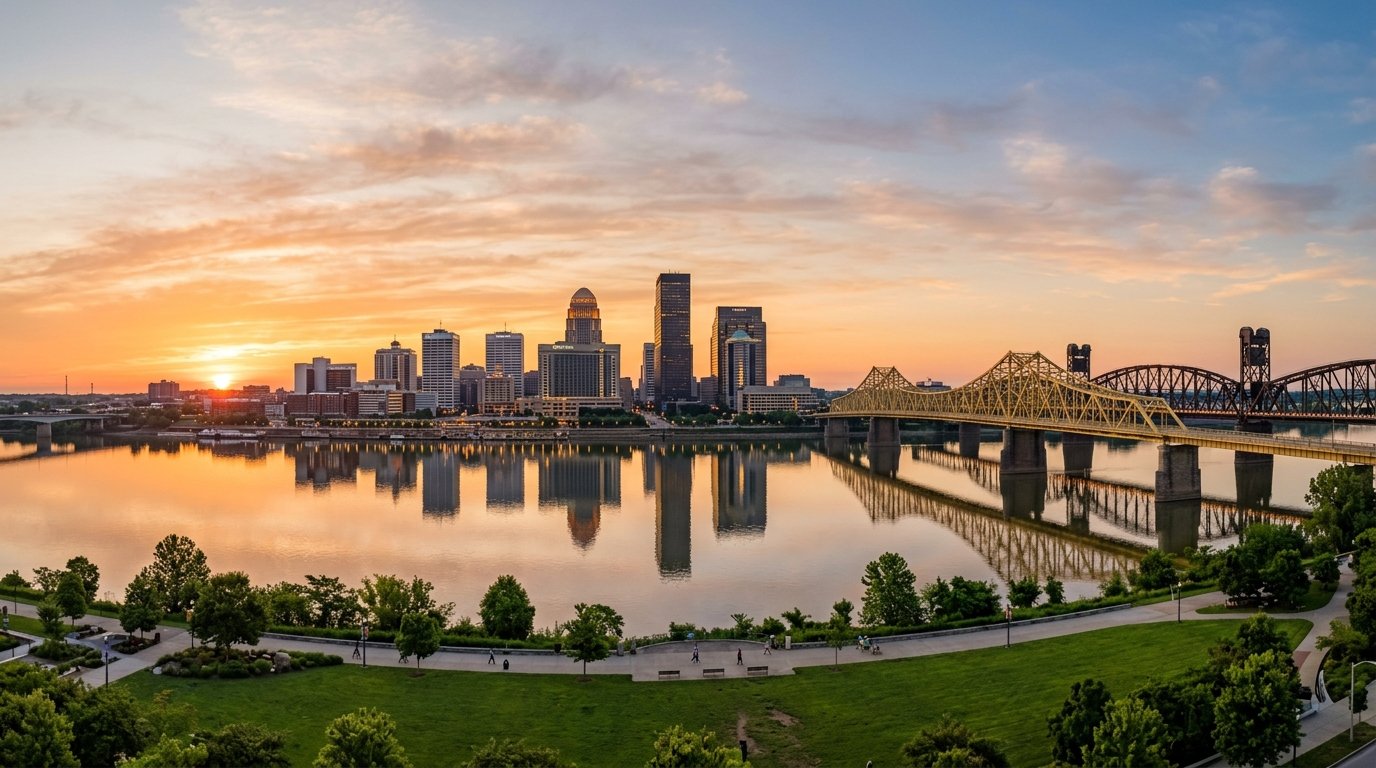
Extend your journey with our definitive guides to Louisville’s world-famous heritage institutions, sporting cathedrals, and culinary landmarks:

Download The 2026 Louisville Heritage Field Guide & Interactive Route Map
Planning your cultural pilgrimage? Receive our curated PDF Field Guide featuring turnkey turn-by-turn GPS coordinates for all 6 Muhammad Ali landmarks, VIP parking secrets, Churchill Downs access tips, and Museum Row dining recommendations.