The Louisville Sponsoring Group: The 11 Bourbon Executives Who Backed Cassius Clay
The Louisville Sponsoring Group: The 11 Bourbon Executives Who Backed Cassius Clay
In 1960, professional boxing was notorious for predatory underworld management and mob extortion. Young Cassius Clay shocked sports commentators by avoiding New York and Chicago syndicate managers and instead partnering with The Louisville Sponsoring Group—an extraordinary coalition of eleven prominent white Louisville businessmen, bourbon distillers, and civic leaders. This partnership changed sports management forever.
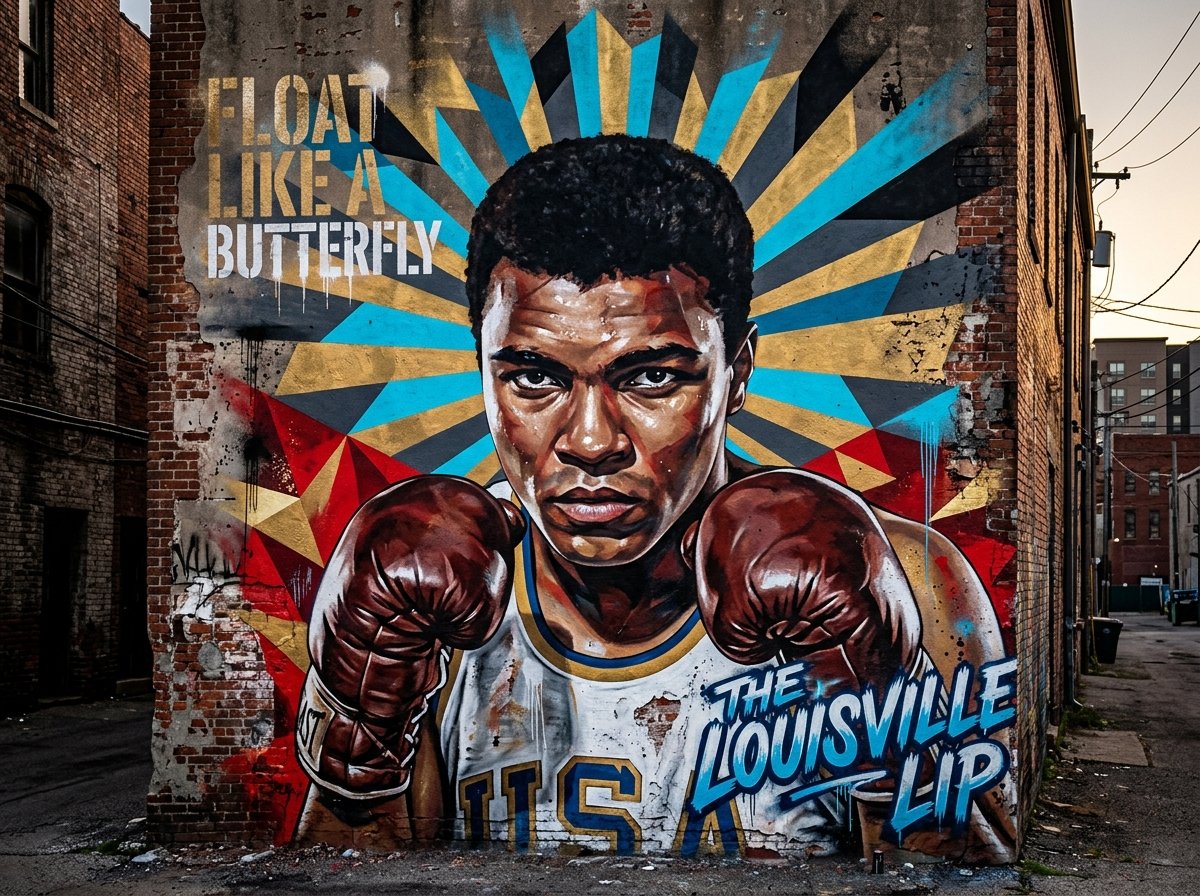
Explore the Complete Louisville Muhammad Ali Pillar Series
- • Master Guide: Hometown Legacy & Pilgrimage
- • Ch. 1: The Stolen Schwinn & Columbia Gym
- • Ch. 2: 3302 Grand Ave & Central High
- • Ch. 3: The 11 Bourbon Executives Syndicate CURRENT
- • Ch. 4: The Ali Center & Six Core Principles
- • Ch. 5: Cave Hill Cemetery Memorial
1. The Mob Problem in 1960s Boxing
When 18-year-old Cassius returned to Louisville from the 1960 Rome Olympics with his gold medal, promoters from across the country converged on Derby City. Figures associated with underworld crime boss Frankie Carbo and Madison Square Garden matchmakers sought exclusive management rights.
Cassius and his father Cassius Sr. knew that countless Black fighters had ended their careers penniless and exploited. Rather than surrendering his autonomy, young Clay turned to local attorney Gordon B. Davidson of the prestigious Louisville law firm Wyatt, Grafton & Sloss to negotiate a protective agreement.
2. Roster of the 11 Louisville Sponsoring Executives
Led by William Faversham Jr., a sophisticated vice president of historic Kentucky bourbon distiller Brown-Forman, the group contributed $2,800 each ($30,800 total seed capital) to bankroll Clay’s early professional career:
3. The 15% Trust & Hiring Angelo Dundee
The contract signed on October 24, 1960, was unlike any in boxing history. The syndicate guaranteed young Clay a living wage of $333 per month plus all training expenses. Most importantly, 15% of all gross earnings were funneled directly into a tax-deferred trust fund managed by Louisville Trust Company, unavailable until Cassius turned 35.
When early trainer Archie Moore attempted to force Cassius into doing camp chores like washing dishes, Clay rebelled. Faversham promptly reassigned him to Angelo Dundee at the 5th Street Gym in Miami Beach. Dundee understood Ali’s personality intuitively: “You don’t train Muhammad Ali. You just guide him and stay out of his way.”
The Central Kentucky Abolitionist Connection
While Louisville was Ali’s hometown and lifelong sanctuary, his birth name and fierce fighting spirit trace directly to Central Kentucky. Cassius Marcellus Clay Jr. was named after his father, who was named in tribute to the radical 19th-century abolitionist General Cassius Marcellus Clay of Whitehall and Lexington—who defended his anti-slavery newspaper The True American with brass cannons against pro-slavery mobs.
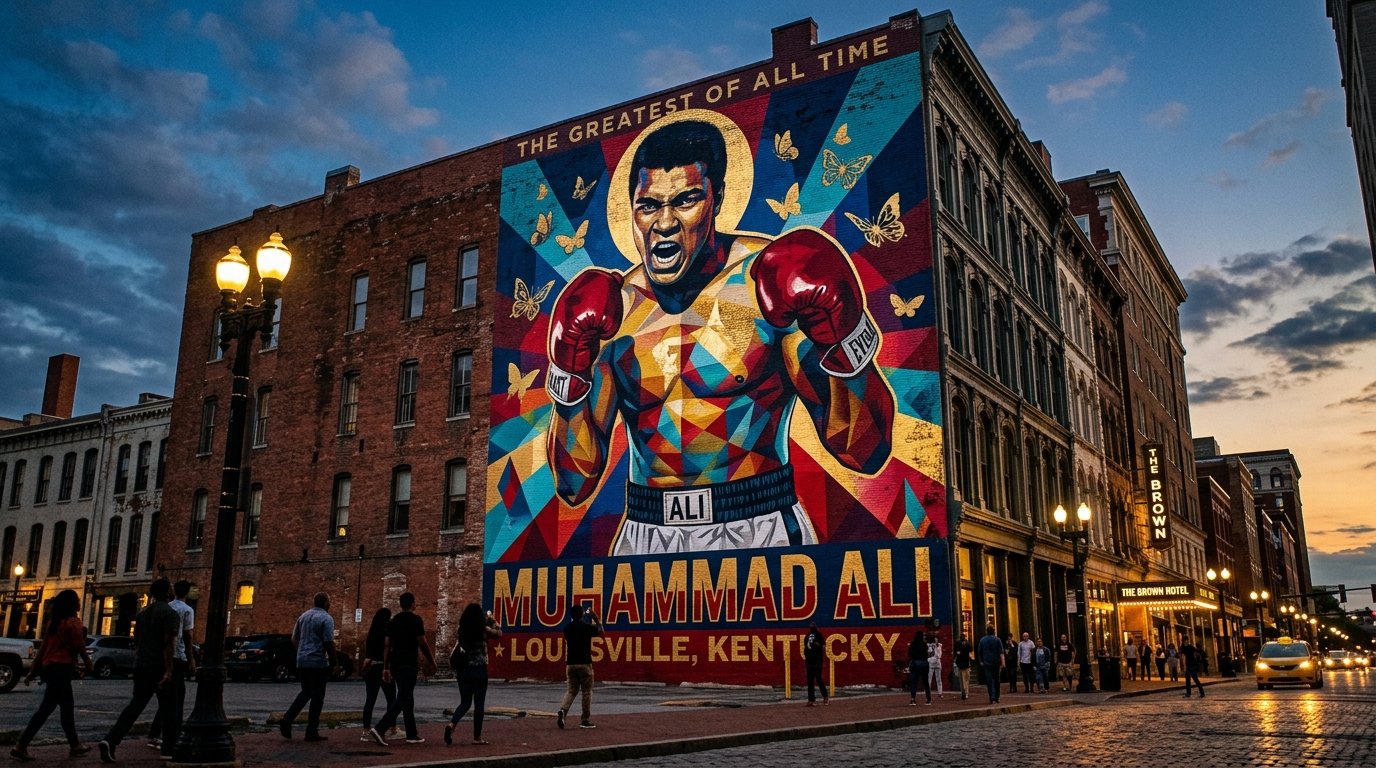
The Muhammad Ali Center: Architecture & The Six Core Principles on Museum Row
Inside the 96,750-sq-ft cultural monument on the Ohio River, the 1996 Olympic Torch, and the Six Principles for social justice.
The Louisville Muhammad Ali Knowledge Vault
Explore all six interconnected chapters in our definitive topical authority series honoring Derby City’s greatest champion:
The definitive overarching guide to Muhammad Ali’s birthplace, West End landmarks, and complete Louisville pilgrimage trail.
The October 1954 Home Show bicycle theft, the basement gym crucible, and the police officer who handed Cassius his first boxing gloves.
Porch shadowboxing, heavy combat boot roadwork through segregated Chickasaw Park, and Principal Wilson’s prophecy at Central High.
How 11 prominent Louisville whiskey executives protected Cassius from mob promoters, established a 15% trust, and hired Angelo Dundee.
Inside the 96,750-sq-ft cultural monument on the Ohio River, the 1996 Olympic Torch, and the Six Principles for social justice.
Section 9, Lot 33 along the painted green line: Islamic orientation, the headstone inscription, and the 2016 funeral procession.
Continue Exploring Derby City
Extend your journey with our definitive guides to Louisville’s world-famous heritage institutions, sporting cathedrals, and culinary landmarks:

Download The 2026 Louisville Heritage Field Guide & Interactive Route Map
Planning your cultural pilgrimage? Receive our curated PDF Field Guide featuring turnkey turn-by-turn GPS coordinates for all 6 Muhammad Ali landmarks, VIP parking secrets, Churchill Downs access tips, and Museum Row dining recommendations.